

Detox From Alcohol
Detoxing from alcohol can take quite a long duration. It is essential to enroll in a medically assisted detox program at a rehabilitation treatment centre to minimize withdrawal symptoms and prevent them from becoming severe.
It is essential to have a network of support to support you throughout the detox process. The presence of family and friends can aid you in resisting the urge to drink and stay sober. A lack of access to alcohol could be beneficial.
Self-detox at home
Alcohol addiction can be a devastating issue depending on whether it's due to physical dependence or mental health issues. Alcohol addiction can lead to difficult relationships, financial issues, and even a decrease in job performance. If you're struggling with alcohol addiction it is essential to seek medical attention immediately. Alcohol detox is a safe and effective way to stop drinking alcohol and begin the process of healing.
The process of detoxing can be difficult and some individuals may experience severe withdrawal symptoms. This is why it's best to undergo alcohol detox at a treatment facility under the supervision of a team of medical experts. During detox you will receive 24/7 medical care and prescribed medications to ease withdrawal symptoms. You will also have access to counsellors for treatment and psychological assistance.
You can prepare yourself for the detox process by doing a few things. One of the most important is to get rid of all alcohol from your home. This will stop you from drinking when cravings occur. Another important step is to stay hydrated by drinking plenty of water. This is because you'll likely sweat more during detox and this could lead to dehydration. Avoid drinking sugary drinks since they can cause cravings.
It is also important to stay clear of those who are a part of the drinking alcohol. This will help you stay away from the temptation and stay on track with your detox goals. Additionally, you should try to practice deep breathing and meditate to keep your mind clear throughout your detox.
There are many ways to lessen your symptoms even though detoxing from alcohol at home can be difficult. For instance, you can take healthy meals take regular exercise, and surround yourself with supportive people. A strong support system can aid you in overcoming addiction and keep sober.
The dangers of alcohol are real but it is also manageable. With the right support, you can successfully get rid of alcohol at home. Be aware that self-detoxing at home is not advised, especially for those who have pre-existing health issues.
At-home detox
A home detox is a great option for people who want to cut down on their drinking habits. The process is safe for most people, as long as you follow the recommended guidelines. The best way to detox is by gradually decreasing your alcohol intake over several weeks or days before you quit completely. This will stop withdrawal symptoms from getting worse. You should also eat healthy foods and drink lots of fluids during the detox period. Water will also help to prevent dehydration, which is a common issue during alcohol withdrawal.
It is essential to have a support system in the process of detoxing at home. It can help you to overcome cravings and keep you inspired throughout the detox process. Support groups are available on the internet or in your local community or ask your friends and family members for advice. You can also utilize mindfulness practices such as deep breathing and meditation to help you deal with cravings or other challenges. Avoid drinking in front of other people to avoid the temptation.
If you have a previous history of alcoholism, you should seek medical attention before you attempt to detoxify at home. Severe withdrawal can lead to hallucinations or a loss of speech. It is recommended to consult with your physician prior to beginning drinking again.
Avoiding alcohol is also a good idea. Keep a supply of food and water in your pantry so that you can avoid binge drinking. Also, be sure to clean your house of all alcohol and dispose of any alcohol-related drinks you might have. This will give you less temptation and increase your chances of success.
Self-detox at home can be a difficult process, but it can be done with the proper plan. If you've had an history of physical or mental health issues that may be exacerbated by withdrawal from alcohol or if you've tried self-detox and had problems with it, you should consult an expert medical professional for the most comfortable and effective detox. Inpatient detox in an institution is typically more relaxing and safer than home detox because you'll have access to medical attention 24/7.
Inpatient detox
If you suffer from a severe addiction to alcohol, you might need medical detox. This procedure is designed to eliminate harmful toxic substances from your body and prepare you for treatment. Detox is often part of a residential rehabilitation program. The detox process inpatient is carried out at an alcohol or drug treatment center and usually lasts for 3 to 14 days. During this time you'll be required to visit the facility each day for therapy sessions that could last up to hours. The first session is an intake exam where you'll talk about your past experiences with substance abuse and mental problems. Additionally, you will receive physical examinations and blood tests.
During the detox phase, you will be given medications to ease withdrawal symptoms. Benzodiazepines can be used to combat muscle spasms, anxiety and insomnia during this time. The dosage you take will depend on your needs. However, you may be prescribed long-acting benzodiazepines like diazepam or chlordiazepoxide, at least for three days.
Many who try to quit drinking "cold-turkey" end in emergency rooms due to severe withdrawal symptoms. Intoxication can trigger seizures and other life-threatening issues, therefore it is essential to seek help from a professional. Inpatient detox programs provide 24-hour supervision and care to prevent these problems. They also offer group therapy and socialization to support recovery.
Inpatient detox is a wonderful option for those who suffer from co-occurring mental health issues such as bipolar disorder or depression disorder. These conditions can make it difficult to complete the process of detoxification and increase the risk of the possibility of relapse. Inpatient detox is recommended for those who have a history of severe withdrawal symptoms, such as delirium and tremens.
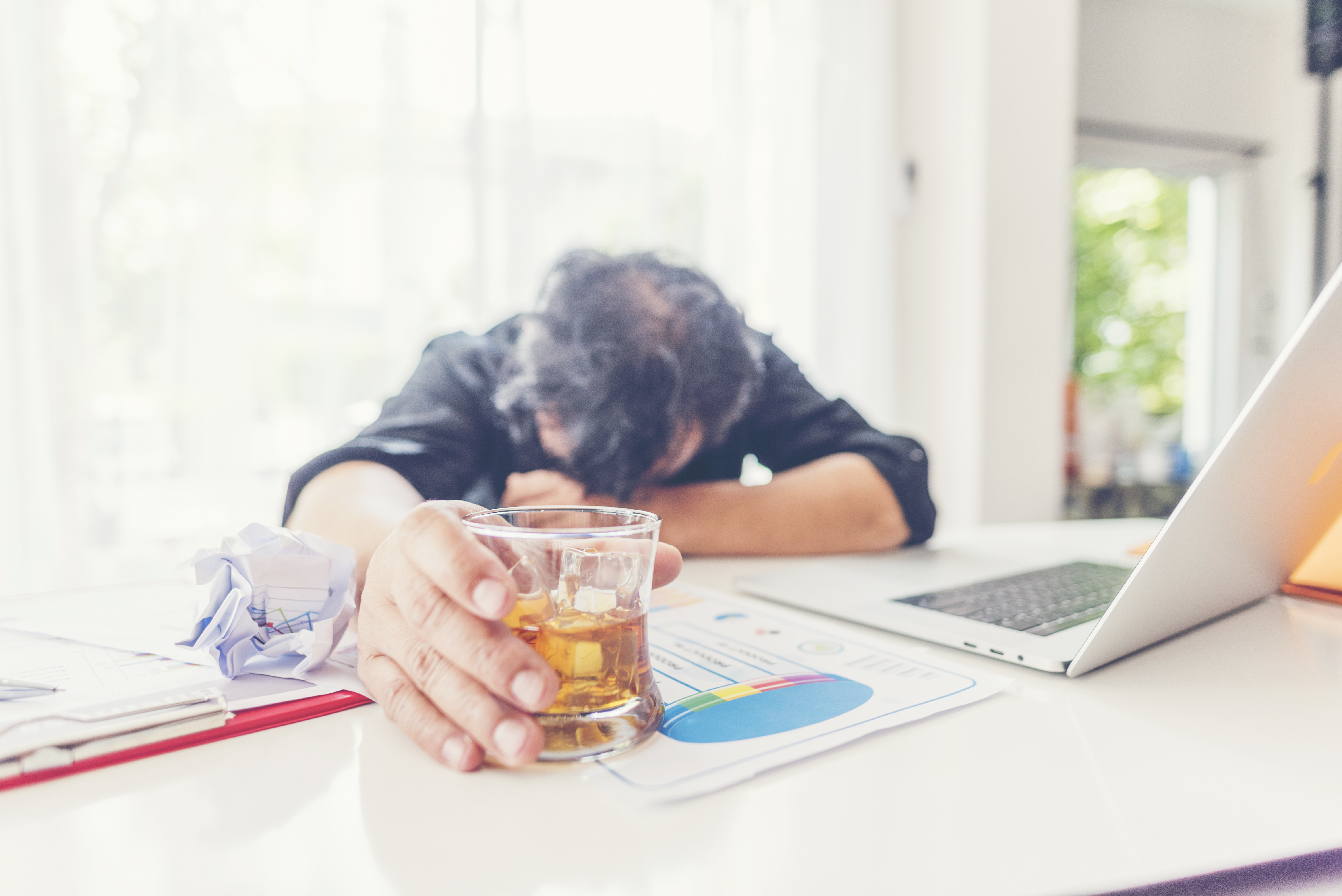
The most effective detox programs focus on the entire person and take a holistic view. They employ a variety of therapeutic techniques such as motivational therapy, individual therapy and other forms of therapy. They help patients identify and overcome negative effects of their addiction as well as build a positive outlook for recovery.
Finding help for your addiction is the first step to an entire life of sobriety. Many treatment centers offer detox programs in addition to their outpatient or residential programs. If you are thinking of a detox program, ask about the duration of the stay and the cost.
Therapy online
Those who have a serious alcohol addiction may require help in quitting drinking. This process is called detox and involves a medically supervised withdrawal from alcohol. It can involve sedative medicines such as benzodiazepines and barbiturates. These are used to ease anxiety, control withdrawal symptoms and to prevent seizures. Additionally herbal supplements like Ashwagandha, milk thistle, and St. John's wort can aid in reducing symptoms of withdrawal from alcohol and cravings. Other ways to stop drinking include diet, exercise meditation, self-guided programs. Many recovery organizations also have support groups available online.
The detox process is often extremely uncomfortable and can cause seizures or delirium tension. It is crucial to seek treatment from a certified healthcare professional for alcoholism. home detox alcohol can be dangerous when not dealt with appropriately. Depending on your situation, you may benefit from an inpatient detox program or an outpatient detox program that provides medically assisted withdrawal from alcohol. A detox center provides 24/7 monitoring to ensure you don't suffer dangerous negative side effects.
Telehealth is a novel form of therapy that makes use of technology to provide care. Numerous alcohol counselors can be accessed through this method. This method of alcohol therapy has been proven to work and can be a viable option for those who have limited access to outpatient or inpatient treatment. You can locate a therapist to help you overcome alcoholism by using the telehealth services offered by BetterHelp. You can also locate an expert therapist who is specialized in alcohol-related disorders.
The RCA Navigator will help you find a therapist with the most relevant background and experience to meet your needs. Many of these doctors offer telehealth services and are accessible via either a phone call or video conference. If you need help finding reputable therapy providers, take a look at the NIAAA list of telehealth resource.
You can also find board-certified physicians to evaluate your condition, and prescribe medications for alcohol abuse disorder. Many of these doctors have telehealth clinics so you can consult them from your home. If you have an insurance policy for health, you can use the RCA Navigator to find doctors that accept your coverage. You can also make use of the NIAAA tool to find an expert in alcoholism.